

Across the Fence of Fear and into Trust
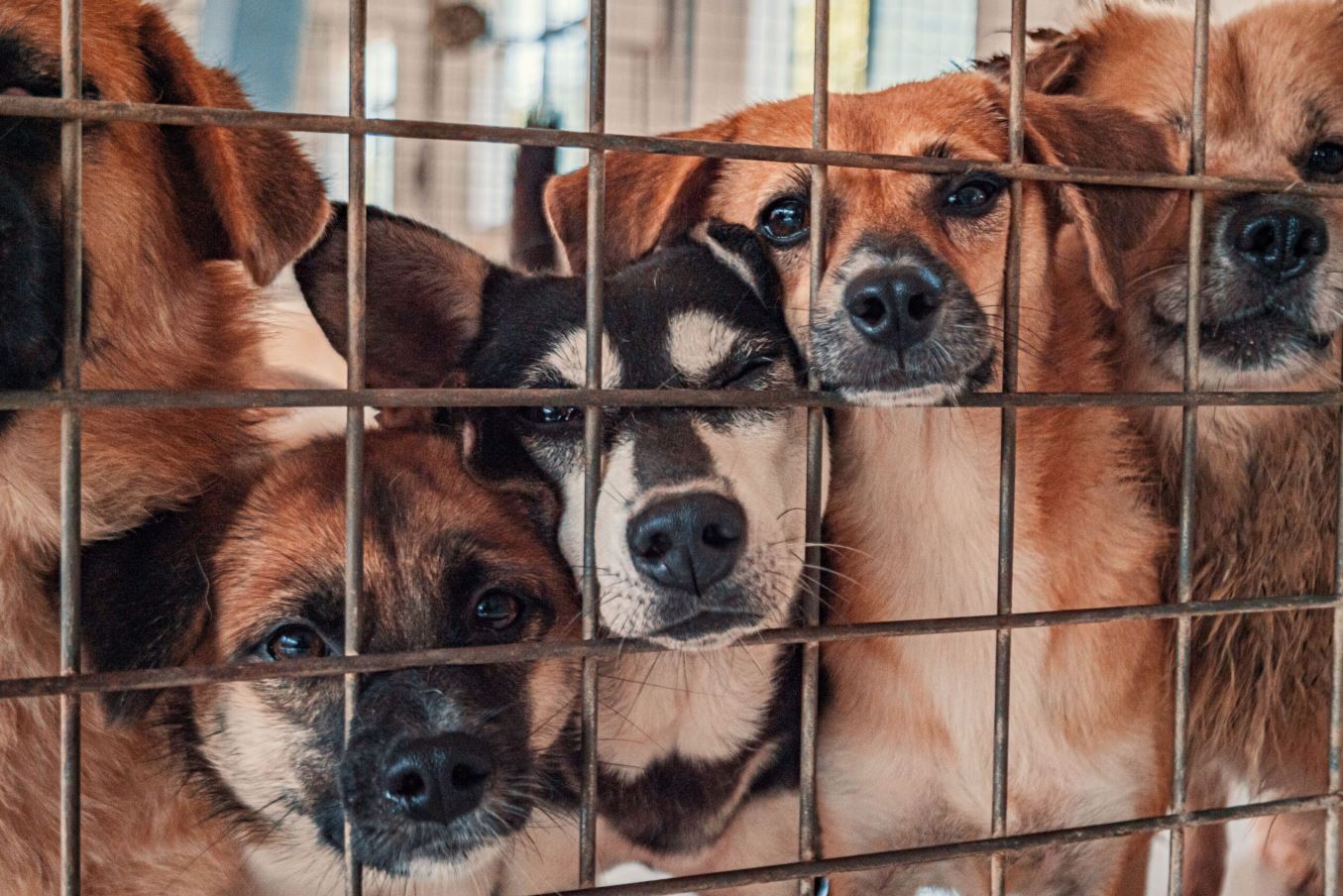
Acts of Courage, Empathy, and Renewal That Shape the World of Rescue
When Compassion Meets Crisis
In every city, in every stretch of forgotten countryside, there are moments when compassion becomes action. An injured dog lying beside a road, a kitten abandoned in a box, a bird tangled in wire, each instance calls to someone willing to stop, to kneel, and to intervene. Animal rescue is not driven by convenience but by conscience. It emerges from the belief that no life is too small to matter. For rescuers, the first step is often instinctive, a decision made before logic intervenes. It is a response born of empathy and anchored in urgency. Yet beneath that impulse lies preparation, knowledge, and unspoken courage. Every rescue is a blend of emotion and skill, of tenderness and determination. When compassion meets crisis, the ordinary transforms into the extraordinary, and a life once fading begins to recover through the steady hands of those who refuse to look away.
What defines rescue is not merely the act of saving but the endurance that follows. The animal must be calmed, transported, and treated with patience that respects its fear. Rescuers often face resistance from the very beings they seek to help. Pain, confusion, and survival instincts form barriers that only empathy can dissolve. This process is humbling, for it demands persistence without expectation. Through every heartbeat and every trembling breath, the rescuer learns that heroism is not found in grandeur but in quiet resolve. Each act of rescue is a statement of hope, a declaration that compassion still holds power in a world too often indifferent to suffering.
Invisible Heroes and the Weight of Dedication
Behind every successful rescue stands a network of unseen individuals who dedicate their time, skill, and emotion to the cause. They are volunteers who rise before dawn, veterinarians who work beyond their shifts, and transporters who drive through rain and exhaustion to deliver animals to safety. Their efforts rarely make headlines, yet their devotion keeps the cycle of rescue alive. Many operate in shelters with limited funding, managing overcrowded spaces while maintaining dignity and care for each creature. They face emotional fatigue that few outsiders understand. To witness suffering repeatedly, and to continue offering kindness despite it, requires extraordinary resilience.
Dedication in rescue often means confronting loss. Not every animal survives, and not every situation ends with recovery. Yet even in failure, there exists meaning. Each attempt, each effort, and each moment of compassion contributes to a greater narrative of mercy. The rescuers who return day after day are not driven by outcome but by principle. They understand that their role is not to control fate but to stand against apathy. Their work is both exhausting and renewing, a balance of heartbreak and triumph that defines the soul of animal welfare. Through them, the silent are given voice, and the forgotten find a place in memory.
Moments of Rescue in the Wild and the Street
Rescue takes many forms, shaped by setting and circumstance. Urban rescues often involve stray dogs, cats, or injured birds entangled in the infrastructure of human life. In rural areas, it may mean retrieving trapped livestock or responding to wildlife caught in fences or debris. The environments differ, yet the emotions remain constant. Each situation demands creativity, quick thinking, and deep respect for both safety and life. Rescuers approach with care, minimizing stress and using techniques learned through experience. A gentle towel can serve as a shield, a box as a cradle, and a calm voice as medicine stronger than fear.
In the wilderness, rescue expands into the realm of coexistence. Injured foxes, orphaned fawns, and displaced owls rely on trained wildlife rehabilitators to bridge the gap between survival and release. These specialists work in silence, ensuring that rescued animals retain their natural instincts for the day they return to freedom. Street rescues, by contrast, emphasize adaptation. The animal must learn to trust again, to live among humans without fear. Whether in forest or city, the essence of rescue remains unchanged: it is an act of stewardship that honors life’s fragility while affirming its persistence. Every creature saved becomes proof that humanity still carries the instinct to protect rather than destroy.
The Fragility of the First 24 Hours
The first day after a rescue often determines the outcome. It is the window when an animal’s condition can rapidly improve or decline. Rescuers must act with precision, combining compassion with medical knowledge. Hydration, warmth, and quiet are the initial steps, followed by assessment for injuries or illness. Fear is addressed gently, through tone and stillness. Many animals arrive emaciated, dehydrated, or suffering from infections, their bodies caught between survival and collapse. For them, safety feels foreign, and kindness is a shock to the senses. The first meal offered is often refused, not from defiance but disbelief.
During this critical stage, care becomes both science and art. Rescue workers read subtle cues: the twitch of an ear, the tension in breathing, or the tilt of a head. These signs reveal whether the animal is stabilizing or slipping away. When life clings by a thread, even minor improvements, a sip of water, a wagging tail, a blink of awareness, become victories. The first 24 hours test every skill a rescuer possesses, demanding vigilance, endurance, and emotional control. Success in these moments requires presence, not perfection. Every small act of care performed during this fragile transition lays the foundation for healing that follows.
The Journey from Survival to Trust
Once stability is achieved, the deeper work begins. Survival is only the first step in a longer process of rebuilding confidence. Many rescued animals carry scars that extend beyond the physical. Fear of touch, sudden noises, or confinement can persist for months or years. Rehabilitators understand that recovery depends on predictability and patience. Structured routines, gentle interactions, and safe spaces help animals rediscover calm. This phase of care teaches that healing cannot be forced. It unfolds gradually, shaped by the pace of trust rather than human timelines. Each moment of progress, a relaxed posture, a tail lifted in curiosity, a soft purr, represents emotional renewal.
Trust forms through repetition. The animal learns that food appears without threat, that voices do not signal harm, and that sleep can be undisturbed. For the caregiver, these milestones carry profound meaning. They signify the transformation of fear into acceptance. Rehabilitation reveals that care is not just about restoring health but about restoring faith. In this mutual process, both rescuer and rescued evolve. The human learns humility, and the animal learns hope. Together, they create a quiet partnership built on the shared will to move forward despite the past. This is where rescue transcends its literal definition and becomes redemption.
Education, Advocacy, and the Power of Awareness
Beyond the immediate act of saving lives lies the broader mission of prevention. Education remains the cornerstone of sustainable rescue. Communities that understand animal welfare contribute to fewer cases of neglect and abandonment. Teaching responsible ownership, spaying and neutering, and the importance of vaccination builds resilience at the societal level. Schools, online campaigns, and local outreach programs spread awareness that rescue begins with responsibility. The goal is not to rely on shelters but to create environments where fewer animals need saving. Prevention, in this sense, is the most compassionate form of intervention.
Advocacy transforms compassion into policy. Laws protecting animals from cruelty, ensuring ethical treatment, and regulating breeding practices emerge from public pressure informed by education. Activists, rescue organizations, and ordinary citizens unite to demand systemic change. Their voices amplify the individual acts of rescue, connecting them into movements that alter public conscience. Awareness, once ignited, spreads quickly. Each story shared online, each rescue documented, each adoption celebrated contributes to a global culture of empathy. The power of education lies not just in knowledge but in the shift of perception it creates, turning awareness into action that endures beyond any single rescue.
The Network That Never Sleeps
Animal rescue operates through collaboration. It is a web of organizations, individuals, and communities linked by shared compassion. Communication flows constantly between shelters, veterinary clinics, and foster homes. Emergency calls come at any hour, and response teams mobilize without hesitation. Technology now strengthens this network, allowing instant updates, transport coordination, and crowdfunding for medical costs. Social media serves as both a tool for advocacy and a lifeline for urgent rescues. Yet beneath the digital infrastructure lies human connection, the unspoken understanding that every life matters. This collective effort demonstrates that rescue is not a solitary act but a shared responsibility sustained through cooperation.
Within this network, foster homes play a vital role. They bridge the gap between shelter and permanent adoption, offering temporary refuge where animals can recover emotionally and physically. Fosters teach rescued animals to live again, preparing them for families who will provide lasting care. The network thrives on reciprocity, where each act of giving strengthens the next. It exemplifies the idea that compassion, when organized, becomes unstoppable. Through shared purpose, even small communities can create monumental change. The network that never sleeps is not powered by profit but by love that refuses to rest while suffering still exists.
Resilience Written in Fur and Feather
The most inspiring aspect of rescue lies in the resilience of the animals themselves. Despite trauma, pain, and neglect, their instinct to trust and love often reemerges. A cat that once hid under furniture learns to greet visitors. A dog scarred from abuse learns to play again. Birds with clipped wings relearn the sensation of flight. Their recovery reminds humans of the extraordinary capacity of life to heal when given a chance. Each story of transformation restores faith not only in animals but in humanity. It proves that compassion, once offered, multiplies its strength through the beings it touches.
Resilience is also a lesson in forgiveness. Animals do not dwell on past suffering as humans do. They respond to the present moment, to warmth, safety, and affection. Their willingness to trust again becomes a silent mirror reflecting what people often forget, that healing requires surrender to hope. Every animal saved becomes an ambassador of survival, showing that kindness can rebuild even the most fractured spirits. Their stories ripple outward, inspiring others to act, to care, and to believe that no wound is beyond repair. In every rescued life, there is a quiet victory that speaks louder than words.
Where Mercy Becomes a Movement
At the heart of every rescue lies a principle that transcends circumstance: mercy. It is the thread connecting individuals, shelters, and entire communities who choose compassion over apathy. Mercy transforms isolated acts into collective change, shaping a culture where empathy defines strength. The movement grows each time someone chooses to help, whether by fostering, donating, or simply speaking up. Rescue work is never finished, for new challenges arise with every generation. Yet its legacy endures because it reflects humanity’s highest potential. Every saved life, every healed wound, and every renewed spirit becomes part of a greater story of redemption. In that story, mercy is not weakness but the force that sustains hope in a world still learning to care. Through animal rescue, we are reminded that kindness, once set in motion, never truly ends. It continues to echo, quietly yet powerfully, in every life touched by its reach.