

Where Patience Teaches More Than Words
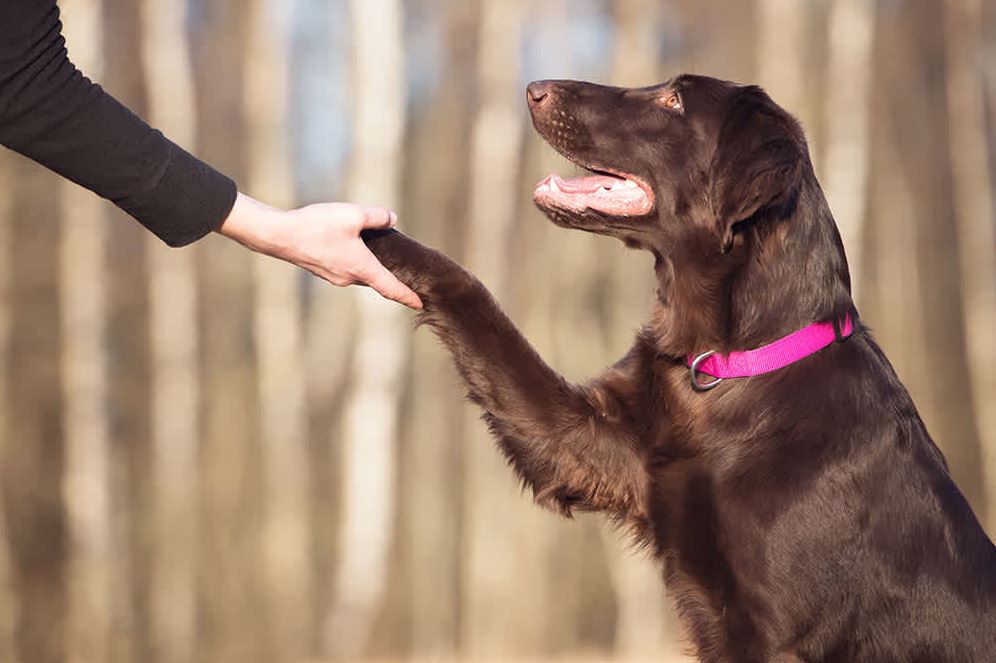
The Subtle Dance Between Guidance, Patience, and Trust in Teaching Our Companions
The Moment Understanding Begins
Training a pet is often imagined as a process of commands and compliance, yet beneath the surface it is something far more intricate. It is an exchange of emotion and intuition, a meeting point between two species learning to interpret one another. The first lesson in any training journey is not about obedience but communication. It begins the moment eye contact is shared and trust starts to form. This trust cannot be forced or accelerated. It grows slowly through repetition, tone, and intention. Animals are keen readers of consistency; they measure sincerity not through words but through behavior. To them, a gentle gesture or the rhythm of voice carries meaning beyond vocabulary. When that connection takes root, training becomes dialogue rather than direction.
The early stages of understanding often feel invisible, marked by small breakthroughs that go unnoticed. A relaxed ear, a focused stare, or a quiet pause replaces hesitation. These subtle signals reveal comprehension long before the first perfect response. Effective training emerges from observation as much as instruction. A caregiver who learns to see these moments builds a foundation that lasts. The relationship shifts from teaching to collaboration, where every command becomes an opportunity to strengthen the bond. In this shared language of patience and awareness, training transcends performance and becomes mutual respect expressed through movement.
The Art of Consistency and Calm
Consistency is the heartbeat of effective training. Every successful lesson, whether for a dog learning to sit or a bird mastering recall, depends on predictable cues. Animals seek stability, and inconsistency confuses their instincts. A calm tone, steady posture, and clear repetition form the pillars of this process. Too many caretakers approach training with impatience, expecting immediate results without realizing that chaos in energy translates into chaos in behavior. Calmness, on the other hand, transmits safety. When a pet feels secure, learning becomes natural. Commands lose their harshness and transform into invitations to participate.
Routine reinforces memory. Feeding, walking, and playtime performed at consistent intervals teach structure beyond words. The environment itself becomes part of the lesson, reminding the animal of expected behavior. Even failure plays an essential role. When an animal misunderstands, correction must come with clarity rather than frustration. Every setback is a moment to teach gently, not to punish. Calm instruction leads to retention, while emotional volatility breaks trust. Through this steadiness, pets learn not only obedience but confidence. They understand that their caretaker’s guidance is reliable, forming the emotional foundation for more advanced learning.
Reward as Language of Affirmation
Positive reinforcement transforms training from obligation into joy. Rewards, whether in the form of treats, praise, or affection, act as emotional bridges between instruction and understanding. When timed precisely, they shape behavior without coercion. The secret lies in timing. Immediate acknowledgment of correct behavior cements learning, while delayed rewards confuse cause and effect. For animals, the world exists in moments, and training must operate within that fleeting attention span. A single second of affirmation can create an imprint far deeper than repetition alone.
Beyond treats, genuine enthusiasm carries immense power. A cheerful tone or playful gesture resonates emotionally. Some animals, especially those bonded closely with their humans, value verbal praise more than food. Others respond to tactile rewards, such as gentle petting or brief play. Effective trainers learn to identify what motivates each animal individually. Reinforcement is not bribery but communication, a way of saying “I understand you” in a language that transcends species. It builds trust through positive association, transforming the learning process into a shared celebration of progress rather than a contest of control.
The Quiet Role of Body Language
Long before a word is spoken, animals read the human body with instinctive precision. Posture, gaze, and movement communicate intent more clearly than speech ever could. A raised hand can mean threat or guidance depending on context, while a step forward may signal dominance or invitation. Effective trainers become students of their own bodies, refining gestures until they match the message they wish to send. Eye contact holds particular importance. For some animals, direct gaze signifies challenge, while for others it conveys connection. Learning to balance these signals requires sensitivity and adaptability.
Consistency between physical and verbal cues reinforces comprehension. A mismatched signal, such as saying “stay” while leaning forward, creates confusion. Animals notice every incongruence. They follow sincerity, not noise. Controlled breathing, steady movements, and open posture calm nervous pets and improve focus. Training through body language mirrors natural communication within animal communities, where hierarchy and cooperation are expressed through stance and subtle motion. When humans align with this form of expression, they become part of the animal’s world rather than forcing the animal into theirs. This alignment replaces command with conversation, making learning intuitive instead of mechanical.
The Balance Between Freedom and Structure
All creatures thrive within boundaries, yet those boundaries must allow room for individuality. Training succeeds when structure provides safety without suffocating curiosity. Overly rigid instruction stifles exploration, while complete freedom leads to chaos. The key lies in balance. Structured sessions interspersed with unstructured play teach that discipline and joy can coexist. Animals learn that cooperation brings reward and freedom follows patience. This rhythm creates engagement rather than resistance. It transforms the lesson from constraint into choice, encouraging the animal to participate willingly.
Freedom also nurtures mental stimulation. Allowing a pet to explore, sniff, or pause during training maintains curiosity, preventing monotony. The environment itself becomes a classroom where discovery and obedience intertwine. Controlled freedom enhances trust because it demonstrates confidence in the animal’s ability to behave. Each opportunity to choose correctly strengthens self-control. This dynamic mirrors the way young animals learn in nature, guided not by dominance but by boundaries shaped through play and observation. The harmony between structure and freedom defines not only effective training but also the emotional health of the animal. A well-trained pet is not one that obeys unthinkingly but one that understands the joy of cooperation.
Patience as the Invisible Teacher
Patience may be the most overlooked element of training, yet it is the one that sustains all others. Every lesson, no matter how well designed, requires time. Animals learn through repetition and context, not force. Impatience disrupts this rhythm, introducing fear where curiosity should reside. True patience is active, not passive. It involves observing, adapting, and adjusting methods based on response. The trainer becomes both student and guide, learning as much from failure as from success. When patience replaces frustration, progress follows naturally.
Every species and every individual within a species carries its own learning pace. A parrot may mimic a word in days, while a cat may take weeks to respond to simple recall. Respecting these differences ensures emotional stability and deepens trust. Animals mirror the emotional state of their caretakers, absorbing tension and calm alike. When met with serenity, they respond in kind. The invisible reward of patience is transformation, the gradual unveiling of understanding that feels earned rather than forced. In that moment, training evolves from repetition into art, shaped by persistence and empathy intertwined.
The Subtlety of Advanced Learning
Once the basics are mastered, training can progress into complex behaviors that challenge both mind and body. Teaching agility, problem-solving tasks, or cooperative games strengthens mental acuity and reinforces the bond between pet and caregiver. These exercises are not simply for performance but for enrichment. Advanced learning keeps animals mentally engaged, preventing boredom and behavioral issues. For intelligent species such as dogs, birds, and certain rodents, mental stimulation is as vital as physical activity. It encourages adaptability, creativity, and resilience.
Complex training also deepens mutual understanding. It relies heavily on subtle cues and mutual timing. A handler guiding a dog through an obstacle course or teaching a parrot to differentiate colors experiences a partnership built on synchronization. Mistakes become shared puzzles to solve, rather than failures. Through this process, empathy sharpens, and communication becomes almost instinctive. The sophistication of advanced training lies not in spectacle but in the invisible harmony that develops between human and animal. It proves that teaching is not about dominance but collaboration, where growth belongs equally to both participants.
When Behavior Reflects Emotion
Training reveals that behavior is never isolated from emotion. A fearful animal resists learning, while one that feels secure absorbs lessons effortlessly. Recognizing emotional context turns correction into compassion. Fear-based training, though producing quick results, leaves scars invisible but lasting. It replaces curiosity with anxiety and obedience with submission. In contrast, emotion-centered guidance nurtures willingness. The trainer’s energy sets the emotional temperature of every session. Joy invites focus, while anger repels. By aligning emotional awareness with technique, the caretaker creates an environment where learning feels natural and safe.
Understanding emotion also prevents misinterpretation. A growl may express discomfort rather than aggression, and hesitation may indicate confusion rather than defiance. By addressing the root emotion instead of punishing the symptom, harmony is restored without conflict. Emotional intelligence, when integrated into training, elevates it beyond technique. It recognizes that every lesson touches both the mind and heart. This awareness transforms the act of teaching into a continuous exchange of empathy, where growth flows in both directions, and the emotional landscape becomes as vital as the physical command.
Where Guidance Becomes Understanding
In the end, training is less about teaching obedience and more about nurturing connection. It is the bridge between instinct and intention, woven through patience, consistency, and compassion. Every successful command echoes mutual respect, every shared silence reinforces trust. The process shapes not just behavior but relationship, turning instruction into partnership. Through guidance, humans rediscover attentiveness, while animals learn comfort within human rhythm. In that shared understanding lies the heart of true training, the realization that learning is not about control but about harmony. When both sides listen with sincerity, every command fades into conversation, and every step taken together becomes an expression of companionship refined through trust.