

What Recovery Feels Like in the Language of the Wild
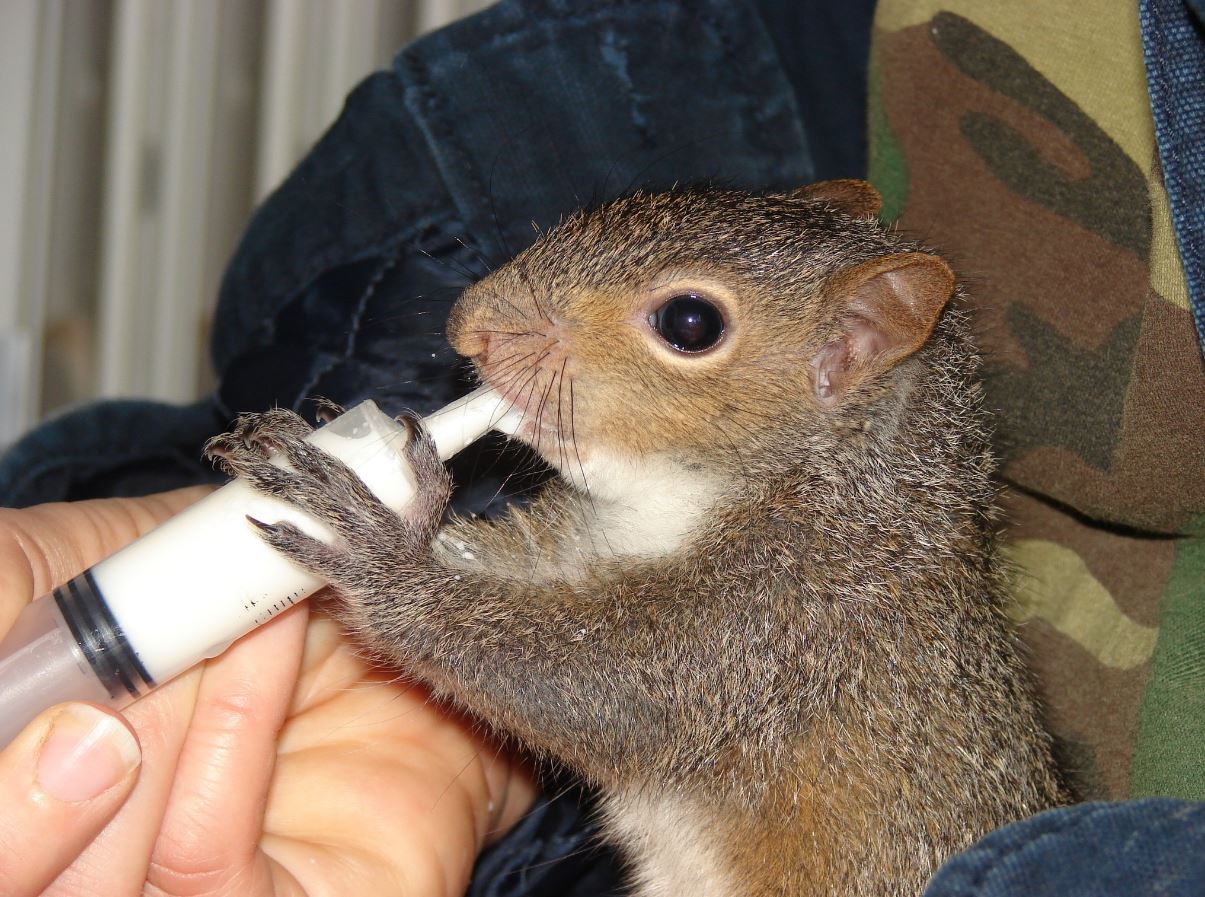
The Quiet Resilience of Life and the Hands That Help It Rise Once More
The First Breath After Rescue
Every act of rescue begins with a moment of stillness. A trembling creature, frightened and exhausted, meets the uncertain kindness of human hands. Whether it is a bird caught in wire, a fox struck by a passing car, or a sea turtle washed ashore by pollution, that first contact bridges two worlds. The space between fear and trust becomes the threshold of healing. Animal rehabilitation lives within that fragile space. It transforms crisis into recovery through patience, knowledge, and compassion. Each life saved represents more than survival, it embodies the enduring connection between all living beings and the responsibility we share in protecting them.
Rescue marks only the beginning. The first breath after trauma signals hope, yet the journey toward health requires far more than immediate aid. The process begins with assessment and stabilization, ensuring that the injured animal’s pain is eased and vital functions restored. Every small success, a heartbeat returning to rhythm, a wound beginning to close, builds toward a future where freedom becomes possible again. In these moments, caretakers become witnesses to resilience, guided by the silent determination that every creature carries within its instinct to live.
The Science and Spirit Behind Recovery
Rehabilitation is both a medical science and a spiritual endeavor. It involves expertise in anatomy, nutrition, and behavioral psychology, yet it also requires empathy that cannot be taught in classrooms. Veterinarians and wildlife rehabilitators blend clinical precision with emotional sensitivity, understanding that recovery extends beyond tissue repair. The body heals through medicine, but the spirit heals through trust. Each feeding, each dressing of wounds, each gentle touch rebuilds confidence in a world that once caused pain. Rehabilitation therefore becomes a dialogue, where caretakers listen through observation and respond through care.
Modern rehabilitation facilities now integrate advanced technologies into their practice. Digital imaging allows for accurate diagnosis, while custom prosthetics enable mobility for animals that might otherwise never walk or fly again. Yet even in such innovation, humility remains essential. Nature itself is the greatest teacher. Understanding when to intervene and when to let natural instincts resume is the difference between success and overreach. The science of recovery works best when guided by the rhythm of life, not control. In this balance between knowledge and respect lies the heart of animal rehabilitation.
The Journey From Fear to Familiarity
Most rescued animals arrive in a state of panic. Their fear is instinctive, born from pain and disorientation. They do not understand intention, only survival. The first task of rehabilitation is to replace terror with calm. This begins not through force but through consistency. Gentle voices, soft lighting, and structured environments reduce stress, allowing the body to focus on healing. The goal is not domestication but reassurance, the reminder that safety exists, even after suffering. Rehabilitation teaches that trust is not taken, it is earned one moment at a time.
Familiarity develops through repetition and predictability. The sound of footsteps becomes recognizable, the presence of caregivers becomes associated with nourishment rather than danger. Over days or weeks, the once-terrified animal begins to eat, move, and respond. In these subtle shifts, progress reveals itself. The act of acceptance marks a turning point, showing that the barrier between instinct and empathy can be crossed. Caretakers witness transformation not only in physical recovery but in behavior. Fear fades into awareness, and awareness becomes participation in life once more. This transition is the unseen miracle that defines every rehabilitation story.
The Architecture of Healing Spaces
The physical environment of rehabilitation plays as crucial a role as medical care. Facilities are designed to mimic the natural habitats of the animals within them. Open enclosures allow birds to rebuild flight strength, aquatic pools help marine mammals relearn buoyancy, and quiet dens provide refuge for land animals adjusting to limited human contact. The goal is to heal without dependence, to prepare the body and mind for release. Every structure, from feeding stations to nesting areas, serves a purpose rooted in freedom rather than captivity.
Noise, light, and scent are controlled carefully to minimize stress. Rehabilitation centers function as sanctuaries where nature and human care coexist. Even architecture becomes an act of empathy. Wooden structures absorb sound, natural foliage provides camouflage, and temperature control ensures comfort during recovery. The design of these spaces reflects a philosophy of respect, healing should never come at the cost of dignity. By creating environments that nurture natural behaviors, caretakers ensure that animals retain their wild instincts, essential for survival once they return home.
The Role of Emotion in Physical Recovery
Emotion influences healing as profoundly as medicine does. Studies have shown that stress delays recovery by weakening immune response, while calm environments accelerate regeneration. Caretakers who understand this emotional dimension approach rehabilitation as a holistic experience. A soothing tone, a patient demeanor, or even quiet presence can alter the trajectory of healing. Animals sense energy more keenly than words. They know when they are safe and respond with cooperation rather than resistance. This bond, built through empathy, becomes a form of therapy in itself.
For the caretakers, emotion carries equal weight. The daily rhythm of rescue and recovery can be exhausting, both physically and spiritually. Successes bring elation, but losses cut deeply. Many rehabilitators describe their work as a calling rather than a career. They understand that love without boundaries comes with sorrow, yet they continue because each saved life validates the effort. Emotional resilience mirrors that of the creatures they tend. Healing becomes reciprocal, the animal learns to trust again, and the human learns to hope again. Within that shared vulnerability lies the true essence of compassion.
The Path Toward Release and Renewal
The ultimate goal of rehabilitation is independence. Release back into the wild marks the completion of a journey that begins in pain and ends in liberation. Yet release is not simply opening a cage, it is the culmination of observation, evaluation, and readiness. Each animal must demonstrate the physical strength, cognitive awareness, and survival skills necessary to thrive without assistance. Birds are tested for flight endurance, predators for hunting instinct, and marine creatures for navigation. Only when every indicator aligns is the moment of release chosen. This moment carries both joy and melancholy. Caretakers who have invested months of devotion must let go, trusting that their efforts have restored nature’s balance.
The act of release embodies the philosophy of respect at the core of rehabilitation. It recognizes that the goal of care is not ownership but restoration. Watching a rehabilitated animal disappear into the horizon is both an ending and a beginning, a renewal for both creature and caretaker. It affirms that kindness, though temporary, can alter the course of existence. In the freedom of that moment lies the meaning of the entire endeavor. The sky, the forest, and the sea reclaim their children, and the world becomes whole again, if only for an instant.
The Intersection of Community and Conservation
Rehabilitation extends beyond the boundaries of clinics and sanctuaries. It thrives on community support, education, and shared awareness. Every rescued animal represents a story that can inspire collective responsibility. Schools, volunteers, and local organizations play vital roles in shaping understanding. Public awareness programs teach coexistence, how to respond to injured wildlife, prevent harm, and respect natural habitats. Through this integration, rehabilitation evolves from an isolated act into a societal value, weaving compassion into cultural identity.
Partnerships between rehabilitation centers and conservation groups strengthen both causes. Data collected during recovery informs ecological studies, revealing patterns of disease, habitat loss, or environmental contamination. These insights fuel broader preservation efforts, turning individual rescues into catalysts for systemic change. Rehabilitation thus becomes both reaction and prevention, addressing immediate suffering while informing future protection. Communities that engage in this process transform empathy into action, ensuring that care extends from the individual to the ecosystem that sustains all life.
The Lessons Found in Every Recovery
Every animal that passes through rehabilitation carries a lesson. Some teach patience, others resilience, and some reveal the fragility that underpins all existence. The owl that learns to fly after injury embodies persistence. The dolphin that returns to the ocean teaches gratitude through freedom. These stories echo far beyond the walls of sanctuaries. They remind humanity that healing is not exclusive to one species but shared across the spectrum of life. The process mirrors our own struggles, the need for care, the desire for independence, and the quiet courage to begin again after pain.
In observing these recoveries, humans rediscover empathy for themselves and the planet. The act of helping another creature heal reshapes perspective, softening the lines between species and dissolving illusions of dominance. Rehabilitation becomes a metaphor for coexistence, proving that strength lies not in control but in compassion. Each success reaffirms a truth often forgotten in modern life: that to nurture life is to honor its continuity, and to restore it is to preserve hope for the world that follows.
The Enduring Gift of Healing
In the end, rehabilitation is not only about survival but about renewal, the return of harmony to the world. It is the quiet triumph of kindness over indifference, proof that humanity can still act as steward rather than intruder. Every healed creature released back into its element carries a piece of that kindness forward, continuing a cycle of restoration that began with pain and ended with grace. The gift of healing extends beyond the animal. It restores faith in the possibility of redemption, reminding us that even when the world wounds itself, care can still rebuild what was broken. As long as there are hands willing to help, wings will always find their way back to the sky.