

Through the Lens of a Living World
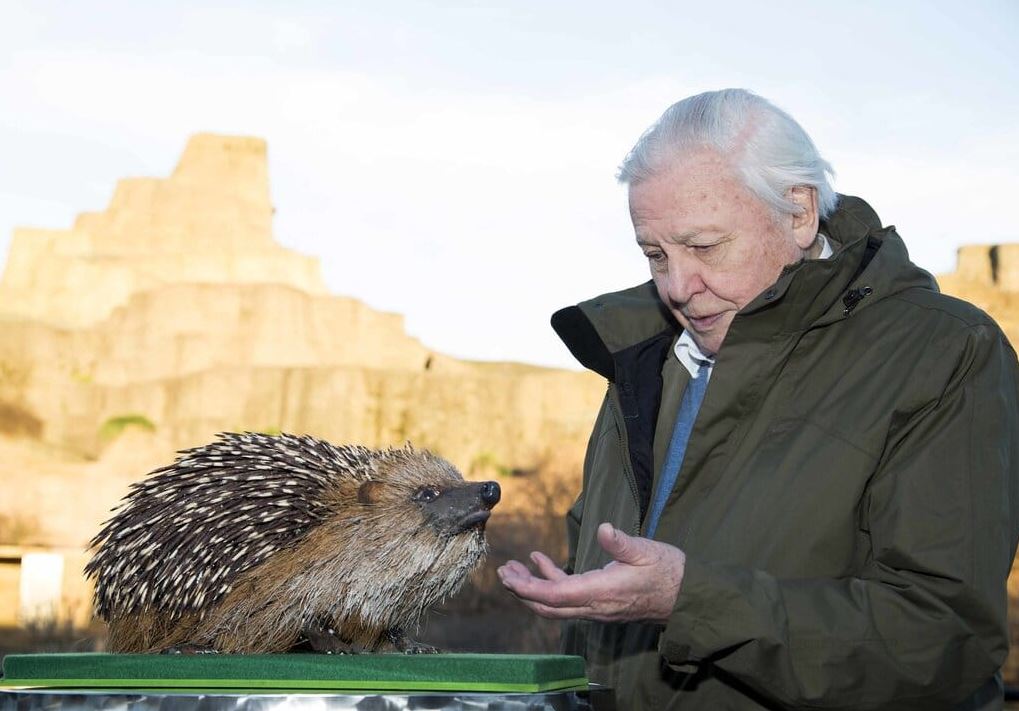
How the Art of Observation Shapes Our Understanding of Nature’s Endless Story
The First Frame of Discovery
Every wildlife documentary begins with a quiet decision to see. Before the first frame is captured, before narration brings rhythm to silence, there is a moment of stillness when the observer becomes a witness. Wildlife filmmaking is not simply about documenting nature, it is about interpreting it through patience, empathy, and awe. The camera becomes both instrument and companion, following movements too subtle for the human eye, preserving details that memory cannot hold. In those first moments of observation, a new kind of storytelling is born, one that bridges the language between humanity and the wild. To film nature is to surrender to it, allowing light, wind, and instinct to dictate narrative.
The opening of any great wildlife documentary carries a sense of invitation. Viewers are drawn into environments they may never touch, landscapes shaped by survival and time. The filmmaker’s role is not to dominate the image but to listen, to let the environment speak through rhythm and texture. Each documentary begins as a question rather than an answer: what happens when we stop looking for meaning and start recognizing connection? From that question emerges the story of life in motion, told not through words, but through the heartbeat of existence itself.
The Patience Behind the Camera
Patience is the most essential tool in wildlife filmmaking, more valuable than any lens or technology. Days can pass without a single usable shot. The subject might appear only for seconds, yet those seconds define the integrity of the entire film. To wait is to understand the natural cadence of life. Filmmakers learn to adapt their pace to the rhythm of the wild, abandoning human schedules for instinctual timing. The reward is not simply the footage collected but the connection earned through presence. The act of waiting becomes a form of respect, allowing animals to live freely without intrusion.
Behind every breathtaking scene lies a story of endurance. Filmmakers sleep in tents beneath freezing skies, wade through swamps, or spend weeks in silence to capture a single gesture, a mother feeding her young, a predator pausing before pursuit, a bird unfolding its wings against dawn. These moments cannot be orchestrated, only witnessed. The patience required is not passive, it is an active form of listening. In the silence between movement and stillness, the filmmaker becomes part of the ecosystem. The patience that defines this craft transforms observation into art and art into reverence.
The Evolution of Storytelling in the Wild
Wildlife documentaries have evolved from simple observation to complex storytelling that intertwines science, philosophy, and emotion. Early films often focused on spectacle, showcasing rare species or dramatic hunts. Modern documentaries dig deeper, exploring behavior, intelligence, and the delicate balance of ecosystems. The shift reflects a change in human perspective: we no longer see animals as distant curiosities but as sentient participants in a shared world. The storytelling has matured, moving from dominance to empathy, from wonder at difference to appreciation of kinship.
Technological advancements have also shaped this evolution. High-speed cameras reveal invisible motion, underwater rigs capture fluidity, and aerial drones uncover landscapes once hidden. These tools have expanded not only access but understanding. They allow filmmakers to translate complexity into beauty, transforming scientific data into emotional resonance. The best documentaries do not simply show, they teach, question, and connect. They remind viewers that the story of the wild is also the story of humanity, and that each creature’s survival carries a reflection of our own.
The Role of Sound and Silence
Visuals capture form, but sound captures emotion. In wildlife documentaries, sound design plays an invisible yet powerful role. The rustle of grass, the whisper of wings, or the distant growl of thunder conveys more than description, it conveys presence. Every sound is a reminder that the world breathes beyond our awareness. Filmmakers often spend as much time recording ambient sound as they do filming, knowing that silence, when used intentionally, can speak louder than any narration. The absence of noise allows the viewer to listen to the heartbeat of the earth itself.
Music, too, transforms the narrative, shaping perception and mood. A single note can turn curiosity into tension, or serenity into sorrow. Yet the most profound moments in wildlife documentaries are often those without music, when only the authentic sounds of the environment remain. These scenes dissolve the boundary between viewer and subject, inviting immersion rather than observation. Through the interplay of sound and silence, filmmakers craft emotional truth. They remind us that the world communicates not only through image, but through vibration and rhythm that transcend language.
The Ethics of Filming the Unseen
To capture life in its rawest form demands responsibility. The ethics of wildlife filmmaking extend beyond artistry into moral territory. How close should one approach? When does documentation become interference? These questions define the line between respect and exploitation. Ethical filmmakers understand that their presence, no matter how subtle, alters behavior. To minimize impact, they use camouflage, remote cameras, and long lenses, ensuring that the story unfolds naturally. Their commitment is to truth without harm, to witness without possession.
Filmmaking ethics also shape how stories are told. Editing can manipulate emotion, creating heroes and villains where none exist. Responsible storytelling resists such simplifications, acknowledging that every predator and prey shares the same drive, to live. Authentic documentaries avoid dramatization for spectacle’s sake. They embrace ambiguity, recognizing that nature’s morality is different from ours. Ethical filmmaking does not seek to dominate nature but to protect its authenticity, allowing reality to retain its complexity and dignity.
The Collaboration Between Science and Art
Wildlife documentaries thrive where science and art meet. Scientists provide accuracy, filmmakers provide emotion, and together they create narratives that inspire understanding. The partnership is essential because data alone cannot move hearts, and emotion without accuracy can mislead. When biologists, ecologists, and cinematographers collaborate, they produce films that inform as deeply as they move. A well-crafted documentary translates knowledge into empathy, transforming statistics into living experience.
This collaboration also advances research. Footage collected for documentaries often contributes to scientific study, documenting behaviors never before observed. From migration patterns to mating rituals, cameras become tools of discovery. The cinematic eye reveals truths hidden in plain sight, bridging disciplines in pursuit of shared wonder. When art and science walk side by side, they reveal not just what nature is, but what it means to belong to it. The lens becomes a microscope and a mirror, expanding understanding while reflecting humanity’s place within the continuum of life.
The Human Impact Behind the Frame
Behind every wildlife documentary lies an invisible network of human effort. Crews work in extreme conditions, facing isolation, exhaustion, and danger. Yet beyond physical endurance lies emotional vulnerability. Witnessing life and death in raw form reshapes perception. Filmmakers often describe a sense of humility, realizing that nature continues with or without human presence. This awareness fosters a quiet reverence, a recognition that storytelling in the wild is a privilege, not a right.
Many documentaries also serve as calls to action. Filmmakers, through their exposure to fragile ecosystems, often become advocates for conservation. Their experiences translate into messages of urgency and hope, urging humanity to reconsider its role within nature. Viewers watching from the comfort of home may never feel the heat of the savanna or the chill of a polar night, but through the filmmaker’s eye, they inherit empathy. This emotional inheritance is the true legacy of the craft, the power to transform awe into responsibility.
The Transformation of the Viewer
To watch a wildlife documentary is to engage in silent participation. The viewer becomes part of the story, observing from afar yet feeling deeply connected. Through cinematic immersion, the boundaries between human and animal blur. The viewer’s gaze mirrors that of the filmmaker, learning to notice not just grandeur but subtleties, a bird cleaning its feathers, an insect balancing on dew, a whale teaching its young. Such observations cultivate mindfulness, expanding perception beyond human concerns.
Repeated exposure to these stories fosters empathy and environmental awareness. Documentaries that once entertained now educate and inspire activism. They remind audiences that conservation begins not in distant jungles but in everyday choices. The transformation they spark is internal, a shift from curiosity to care. In this way, every film becomes a dialogue between nature and consciousness. It invites not just admiration but accountability, urging humanity to listen to the world it so often speaks over.
The Everlasting Frame of Memory
Wildlife documentaries endure because they preserve what time cannot hold. They capture not just images but emotions, the fleeting balance between life and loss. Long after the credits fade, the memory of a moment, a polar bear’s breath in the cold air, a bird’s call echoing through mist, remains with the viewer. These films remind us that every living being shares the same fragile thread of existence. The lens, in its simplicity, becomes a vessel of remembrance. It ensures that the voices of the wild, though often unheard, continue to resonate across generations. In preserving their world, we rediscover our own. The camera’s final frame is not an ending but a continuation, proof that life, once seen, can never again be forgotten.