
Every Brushstroke Speaks of Trust
The Gentle Art of Maintaining Health, Comfort, and Connection Through Touch
The Ritual of Care Beyond Cleanliness
Grooming is more than a routine task. It is a language of care, a moment when the bond between humans and their animal companions becomes visible through touch and patience. Each brushstroke, each careful trim, communicates affection and attention. While cleanliness is an obvious outcome, the deeper purpose of grooming lies in fostering health and trust. A well-groomed pet moves comfortably, breathes easier, and radiates vitality. Skin breathes freely when fur is free of tangles, nails no longer pinch with overgrowth, and eyes stay clear of irritation. Every session becomes a form of healing that speaks quietly through comfort rather than words.
Throughout history, grooming has reflected the respect humans hold for their animals. From royal kennels to village farms, caretakers have long understood that a clean coat mirrors inner wellness. Today, modern grooming intertwines science with empathy, where products and techniques evolve but the essence remains timeless. It is not about vanity but about nurturing. A comb through fur is a gesture that says, you are safe, you are cared for, and your wellbeing matters. In that quiet space between brush and breath, the connection between caretaker and creature deepens into mutual trust.
The Foundation of Skin and Coat Health
The skin is a living organ that reveals much about a pet’s internal state. It responds to diet, environment, and emotional stress with signals that only careful observation can decode. Dull fur often suggests nutritional imbalance, while flaking or redness points to allergies or parasites. Grooming offers a chance to notice these details early, long before they escalate into medical conditions. Brushing distributes natural oils, strengthening both skin and coat. It removes dead hair, stimulates circulation, and gives the skin a chance to renew itself naturally. For animals that shed heavily, regular grooming prevents matting and allows new hair to grow without resistance.
Bathing plays an equally vital role, though its frequency depends on species and lifestyle. Too much washing can strip essential oils, leaving skin vulnerable. The goal is balance, achieved through products tailored to the pet’s biology. Hypoallergenic shampoos, moisturizing conditioners, and gentle rinses maintain the delicate ecosystem of the skin. In every stroke of water or lather of foam lies the promise of relief, cleansing not only the body but the spirit. A clean coat gleams under light, but it also tells a subtler story, a story of health nurtured through mindfulness and care that honors the natural rhythm of the animal.
The Precision of Grooming Tools and Techniques
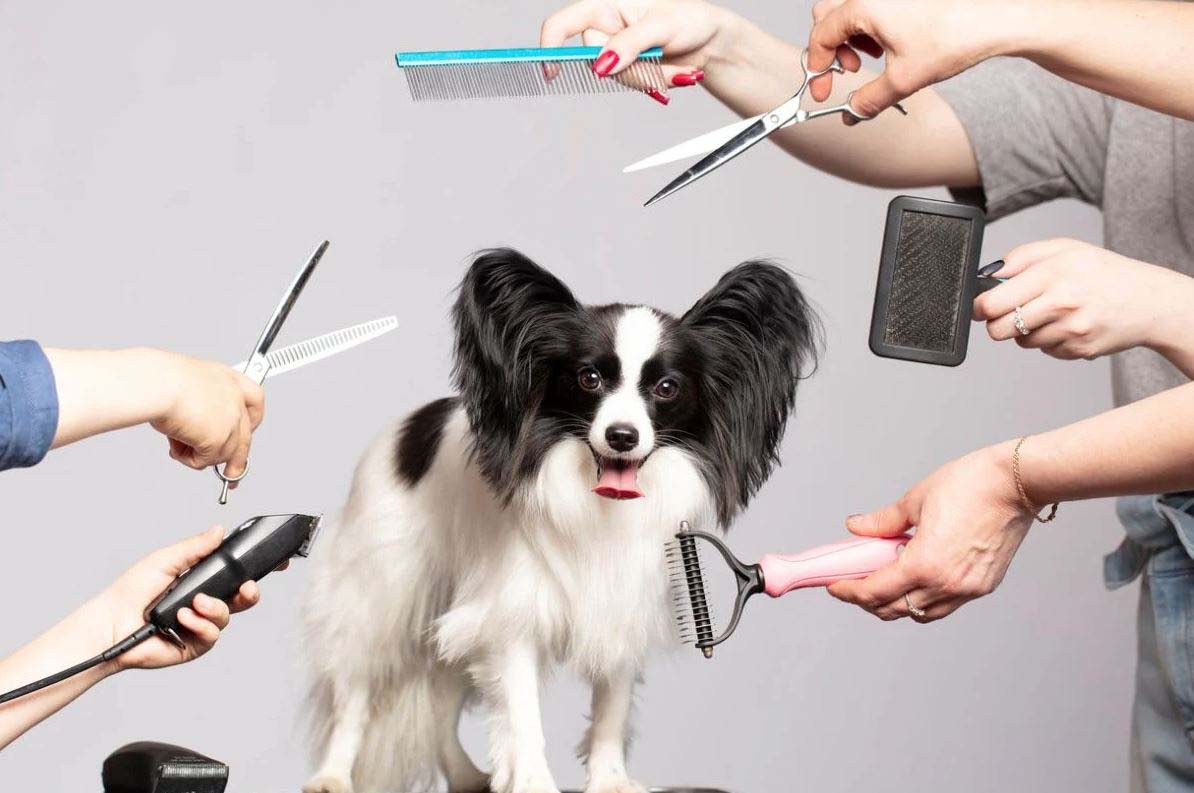
Behind every successful grooming session lies the understanding of the right tools. Brushes, combs, clippers, and dryers are not mere accessories but instruments of wellbeing. Each has a role to play depending on coat type, length, and density. A slicker brush untangles the knots of long-haired breeds, while a bristle brush distributes oils across smooth coats. Clippers designed for sensitive skin ensure even trims without irritation. Proper tools do more than enhance appearance, they safeguard comfort. Using the wrong one can lead to discomfort, breakage, or fear, turning what should be a calming ritual into an unpleasant memory.
Technique matters as much as equipment. The best groomers work with the animal’s natural posture, never against it. Movements are gentle, steady, and predictable. Sudden gestures breed anxiety, while consistency breeds calm. Skilled hands follow the flow of fur, adapting pressure and pace to match the animal’s reactions. Drying, often overlooked, requires as much care as brushing. Warm air should comfort, not overwhelm. In this dance of patience and precision, grooming becomes artistry. The tools act as extensions of empathy, translating knowledge into touch and technique into trust.
The Emotional Dimension of Grooming
For many pets, grooming is their most intimate interaction with humans outside of play and feeding. It demands stillness and vulnerability, two states that rely on trust. A dog resting its head into the palm of a groomer or a cat closing its eyes as a brush glides through fur expresses a language beyond comprehension. Animals remember sensations deeply. A painful pull or a rushed session may linger in memory, creating fear that takes time to undo. A gentle rhythm, on the other hand, teaches safety and predictability. Emotional connection transforms grooming from task to therapy, calming anxious pets and strengthening the bond between them and their caretakers.
For humans, these moments of connection also offer grounding. The act of caring slows the tempo of daily life, drawing focus to texture, warmth, and breathing. It becomes meditative, offering peace to both sides. In shelters and rehabilitation centers, grooming is often the first step in rebuilding a neglected animal’s sense of trust. It says, your body matters, and touch can be kind again. The exchange of comfort during grooming proves that healing flows in both directions, restoring dignity to animals and empathy to those who care for them.
The Hidden Role of Nutrition in Appearance
True grooming begins within. No brush or shampoo can substitute for the glow that comes from balanced nutrition. Healthy skin and fur rely on proteins, omega fatty acids, vitamins, and hydration. A pet’s coat reflects what it consumes, much like leaves mirror the health of a tree. Deficiencies manifest in dullness, brittleness, and dryness, while a well-nourished pet shines with resilience. Grooming thus becomes a diagnostic tool. A sudden change in coat texture may signal underlying dietary or metabolic issues. Observant caretakers use grooming sessions to monitor these subtle transformations and adjust nutrition accordingly.
Hydration plays a crucial role in maintaining elasticity and softness. Water supports circulation and helps the body eliminate toxins through natural processes. Even the choice of treats influences coat health, as processed ingredients can cause inflammation or imbalance. Modern pet diets now integrate supplements specifically formulated for skin and fur maintenance, combining science with care. Grooming, when aligned with nutrition, transforms into holistic maintenance. It reminds us that wellness is a cycle, what we feed, how we touch, and how we observe all work together to keep our companions thriving from the inside out.
The Seasonal Rhythm of Care
Just as the Earth moves through cycles of change, so too do animals. Their coats respond to seasons, adjusting density and texture to temperature and daylight. Grooming adapts to these natural shifts. Spring brings shedding, where undercoats loosen to prepare for warmer months. Autumn signals growth, as fur thickens in anticipation of cold. Regular brushing during these transitions prevents discomfort and keeps the home free of excessive hair. For breeds that rely heavily on undercoats, skipping seasonal grooming can lead to overheating or skin complications. Following these rhythms honors the animal’s natural biology rather than forcing uniform routines.
Environmental changes also influence the frequency and type of care. Pets living in humid climates may need drying treatments to prevent fungal buildup, while those in arid regions benefit from moisturizing sprays. Even lighting affects coat health, as ultraviolet exposure can lighten fur or dry the skin. The goal of grooming is adaptability. By responding to seasonal and environmental shifts, caretakers ensure balance between comfort and protection. Grooming, then, becomes a reflection of natural harmony, a partnership with time itself, guided by awareness and respect for the subtle rhythms of life.
The Role of Professional Groomers and Home Care Balance
Professional groomers bring expertise that extends beyond technique. They are trained to recognize early signs of illness, such as lumps, infections, or parasites that owners might overlook. Their experience allows them to handle difficult coats, anxious pets, and specialized needs with precision. However, professional grooming should complement, not replace, home care. Between visits, brushing, cleaning, and nail maintenance remain essential. Consistency prevents buildup, tangles, and discomfort, ensuring that every professional session is a refinement rather than a correction. The healthiest pets are those whose owners participate actively in their upkeep, forming routines that maintain comfort daily.
Finding the right groomer requires intuition as much as research. Animals sense energy quickly, and a calm professional can transform fear into cooperation. Communication between owner and groomer ensures that each pet’s personality and sensitivities are respected. Grooming is not a transaction but a collaboration involving trust among all three, pet, caretaker, and professional. When harmony exists in this triangle, the results extend beyond appearance. It creates continuity of care, where each session builds upon the last, deepening understanding and comfort until grooming becomes second nature to the animal and source of joy rather than stress.
The Healing Influence of Grooming in Senior Pets
Aging brings new challenges to grooming. Senior pets often experience thinning coats, joint stiffness, and skin sensitivity. Movements must be slower, and products must be gentler. The purpose shifts from style to relief. Warm baths soothe aching muscles, while massages during brushing stimulate circulation and comfort. Grooming also provides vital monitoring opportunities. Early detection of weight changes, lumps, or sores can extend lifespan through timely intervention. For elderly animals, these moments of care serve as therapy, reducing anxiety and maintaining dignity. The bond formed over years finds new meaning in these quiet rituals of maintenance and love.
Emotional connection deepens as pets age. The familiar brush, the scent of shampoo, or the rhythm of routine becomes part of their security. Consistency matters more than perfection. The softness of towels, the warmth of hands, and the calmness of voice provide reassurance as the senses fade. Grooming becomes a gift, a way to say thank you for years of companionship. Through gentle care, humans remind their senior companions that they remain valued, cherished, and protected. In this tenderness, grooming transcends maintenance and becomes an act of love measured not in minutes but in grace.
The Harmony Between Hands and Heart
At its essence, grooming is a meeting point between instinct and affection. It nurtures the visible and invisible alike, preserving health while deepening connection. Each brushstroke carries intention, transforming touch into communication. The process requires patience, awareness, and empathy, the very qualities that define responsible companionship. When performed with respect, grooming becomes a ritual of balance, aligning body and spirit in quiet unity. It teaches gentleness, attentiveness, and gratitude for the life that shares our space. In the softness of fur and the calm after care, one finds a reflection of something timeless, the harmony that exists whenever love takes form through action.